
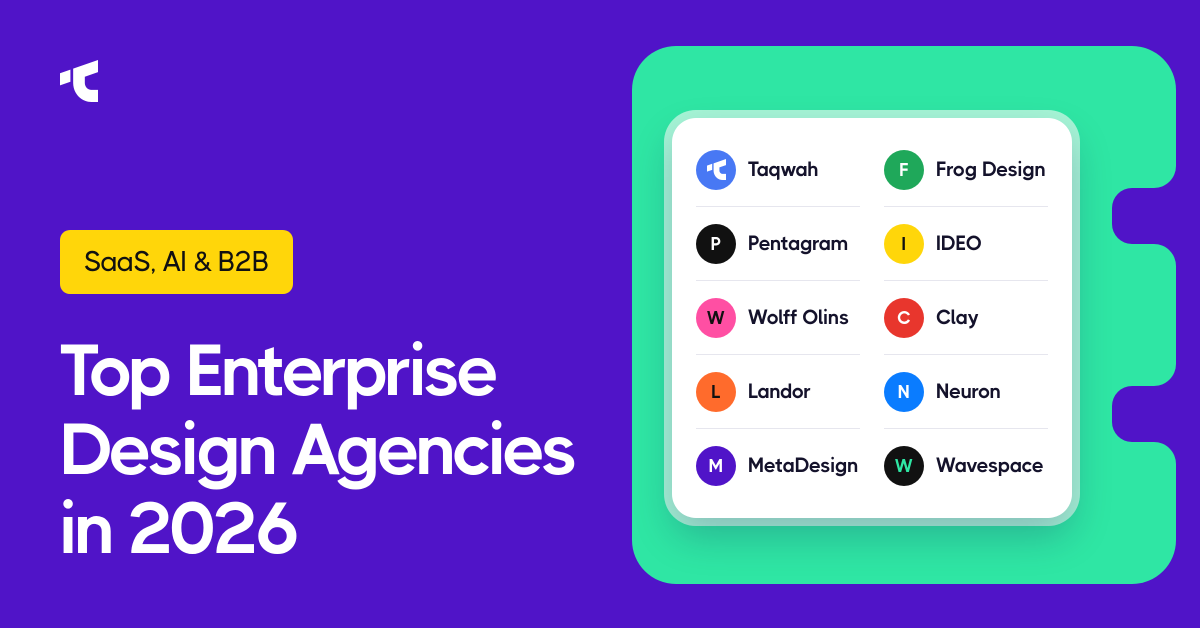
Enterprise software has a design problem, and most teams know it. The dashboards are dense, the workflows are tangled across departments, and every new feature makes the interface a little harder to use. SaaS, AI, and B2B companies now compete on experience as much as on functionality, which is why the right enterprise design agency has become a strategic hire rather than a vendor relationship.
This guide covers the best enterprise design agencies in 2026, what separates them from a general UI/UX design agency, how we evaluated each one, and how to choose the right enterprise design partner for your product. Whether you are building a B2B SaaS platform, an AI tool with complex data-heavy interfaces, or a large-scale internal system, you will find a shortlist here worth your time.
Why Choosing the Right Enterprise Design Agency Matters
Enterprise products are not consumer apps with bigger budgets. They serve multiple user roles, integrate with legacy systems, handle sensitive data, and must survive years of iteration by rotating product teams. A design mistake in a consumer app costs a few lost downloads. A design mistake in enterprise software costs onboarding time, support tickets, failed adoption, and sometimes an entire renewal.
The right enterprise UX design agency understands these stakes. It knows how to run UX research with busy professionals, how to design scalable design systems that engineering teams will actually maintain, and how to balance brand identity with the practical needs of users who open the product eight hours a day. The wrong agency delivers a beautiful Figma file that falls apart the moment it meets real cross-team workflows.
Choosing well means faster time to value, lower development rework, and a product that your sales team is proud to demo.
What Is Enterprise Design?
Enterprise design is the practice of designing digital products, services, and systems for large organizations or for software sold to them. It covers enterprise UX design, product design, service design, design systems, and often brand identity and visual design as well.
What makes it distinct is scale and complexity. An enterprise design partner works with multiple stakeholders, strict compliance requirements, accessibility standards, and products that need to work for thousands of users with very different jobs. The goal is not just a clean interface. The goal is a coherent user experience across complex digital products that many teams will touch over time.
What Defines a Top Enterprise Design Agency
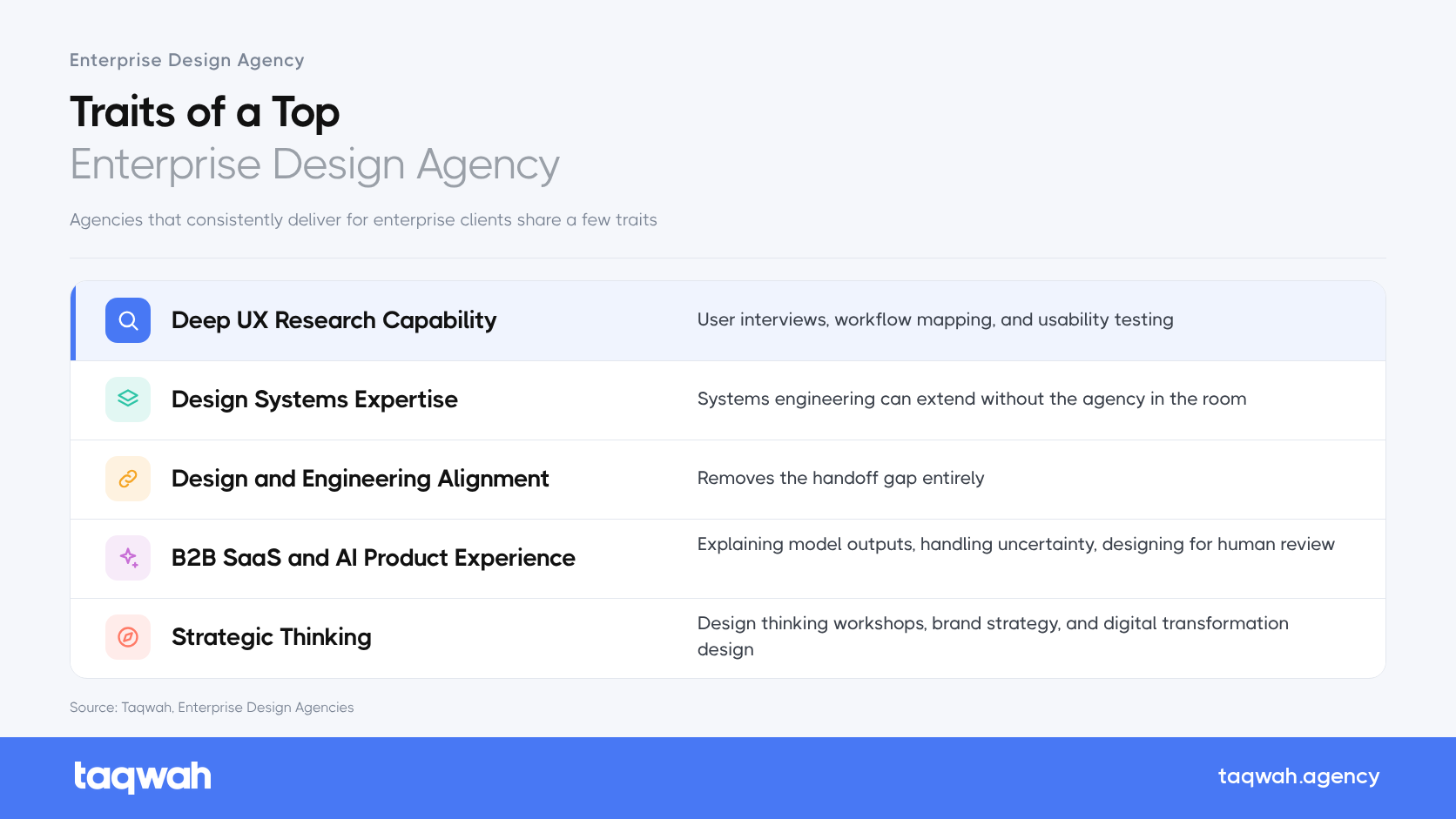
Not every design studio with a strong portfolio can handle enterprise work. The agencies that consistently deliver for enterprise clients share a few traits.
Deep UX research capability. Top agencies invest in user interviews, workflow mapping, and usability testing before they open a design tool. Enterprise software design without research is guesswork.
Design systems expertise. A scalable design system is the backbone of enterprise product design. The best agencies build systems that engineering can extend without the agency in the room.
Design and engineering alignment. Agencies that understand front-end constraints produce work that ships. Some offer development as part of the engagement, which removes the handoff gap entirely.
Experience with B2B SaaS and AI products. AI UI/UX design brings new challenges: explaining model outputs, handling uncertainty, designing for human review. Agencies with real experience here are increasingly valuable.
Strategic thinking. Design thinking workshops, brand strategy, and digital transformation design matter when the engagement touches more than one product.
How We Evaluated These Agencies
We assessed each enterprise design company on five criteria: portfolio depth in enterprise, SaaS, and B2B work; range of services from UX research to design systems to brand identity; evidence of long-term client relationships with growth-stage companies and large enterprises; team structure and senior involvement; and how well their design process fits modern product teams.
We also considered dozens of strong studios that did not make the final ten, including Metalab, Designit, Work & Co, Ustwo, Blink UX, Fuzzy Math, Momentum Design Lab, and Koru UX Design. Several of these are excellent choices for specific needs, and we mention them where relevant below.
Quick Comparison Table
Top 10 Enterprise Design Agencies in 2026
1. Taqwah.Agency
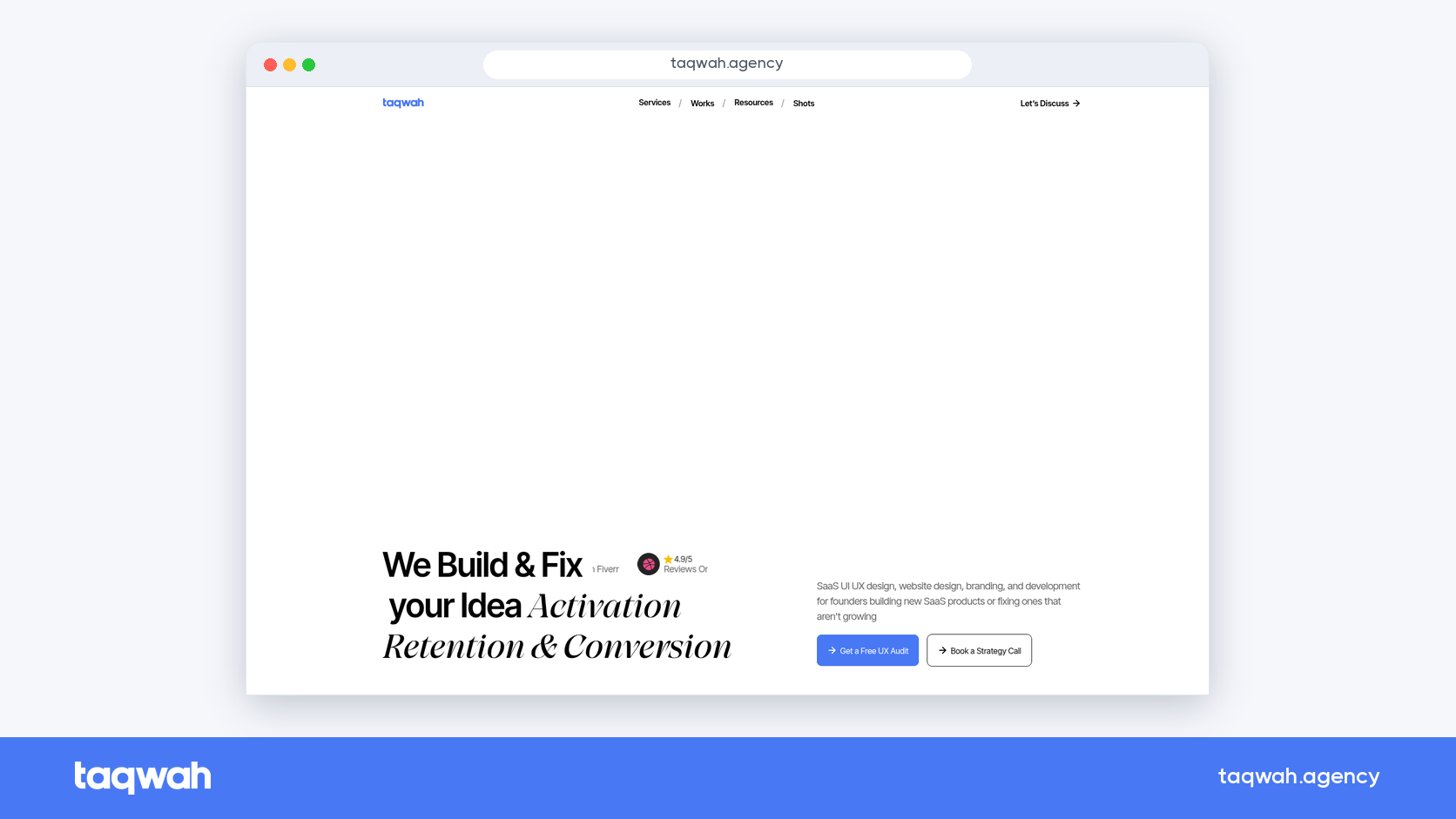
Taqwah is an enterprise design agency built for teams that want one partner from first wireframe to shipped product. The agency handles UI/UX design and front-end development under one roof, which means the design systems it creates are implemented by the same people who designed them. For SaaS and AI products, this closes the gap where most enterprise projects lose fidelity.
The team specializes in complex digital products with data-heavy interfaces, multi-role permission systems, and cross-team workflows. Engagements typically start with UX research and workflow audits, move into design system and interface work, and finish with production-ready code. Clients range from growth-stage B2B SaaS platforms to established enterprise software companies modernizing legacy tools.
2. Pentagram
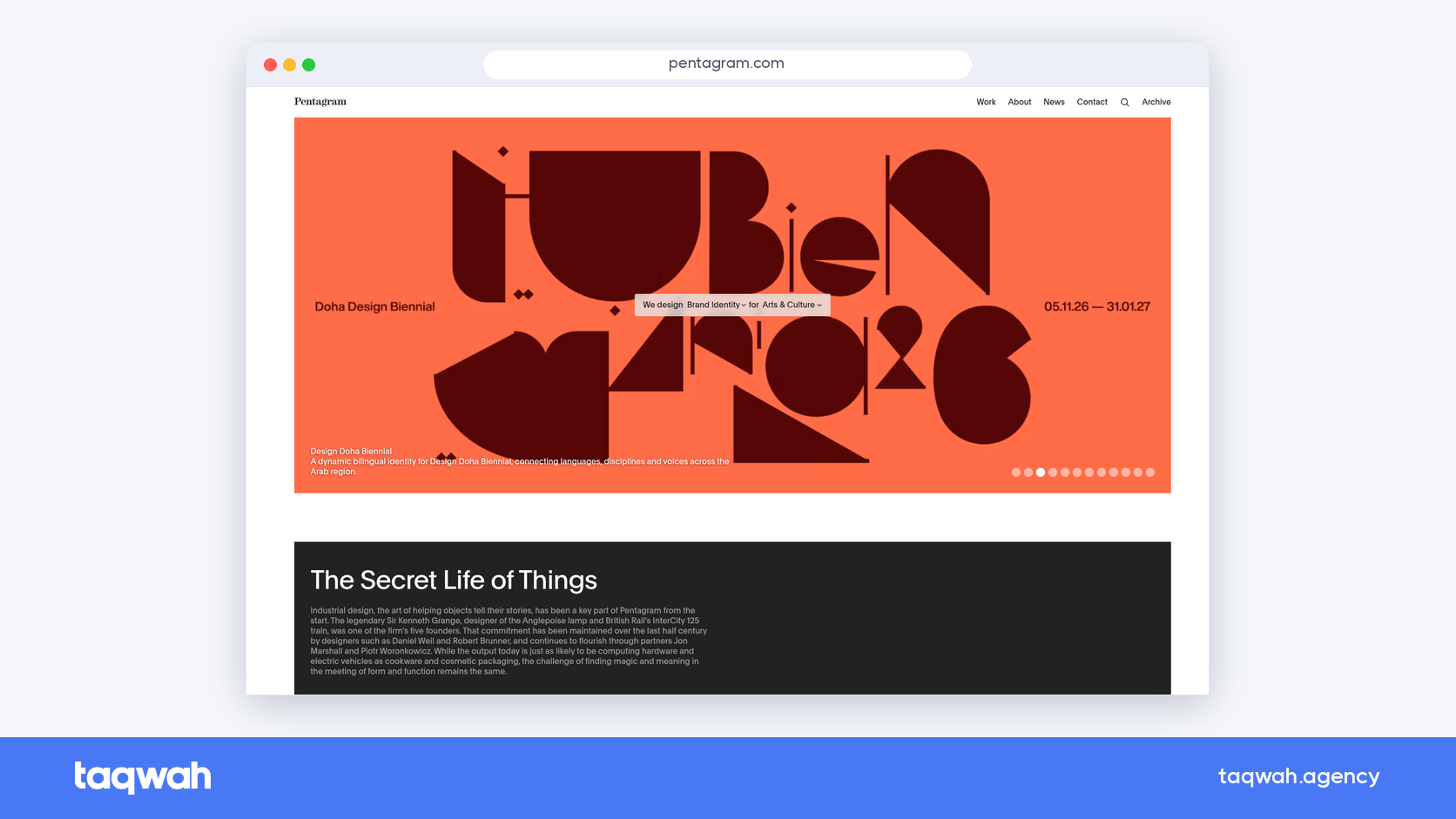
Pentagram is the world’s largest independent design consultancy, run as a partnership of designers who each lead their own teams. Its reputation rests on brand identity and visual design, and enterprise clients turn to Pentagram when a rebrand needs to be both bold and durable.
For B2B and enterprise companies, Pentagram’s value is in creating identity systems that scale across products, marketing, and physical spaces. It is not a UX agency in the traditional sense, so teams looking for product design usually pair Pentagram’s brand work with a dedicated enterprise UX design agency.
3. Wolff Olins
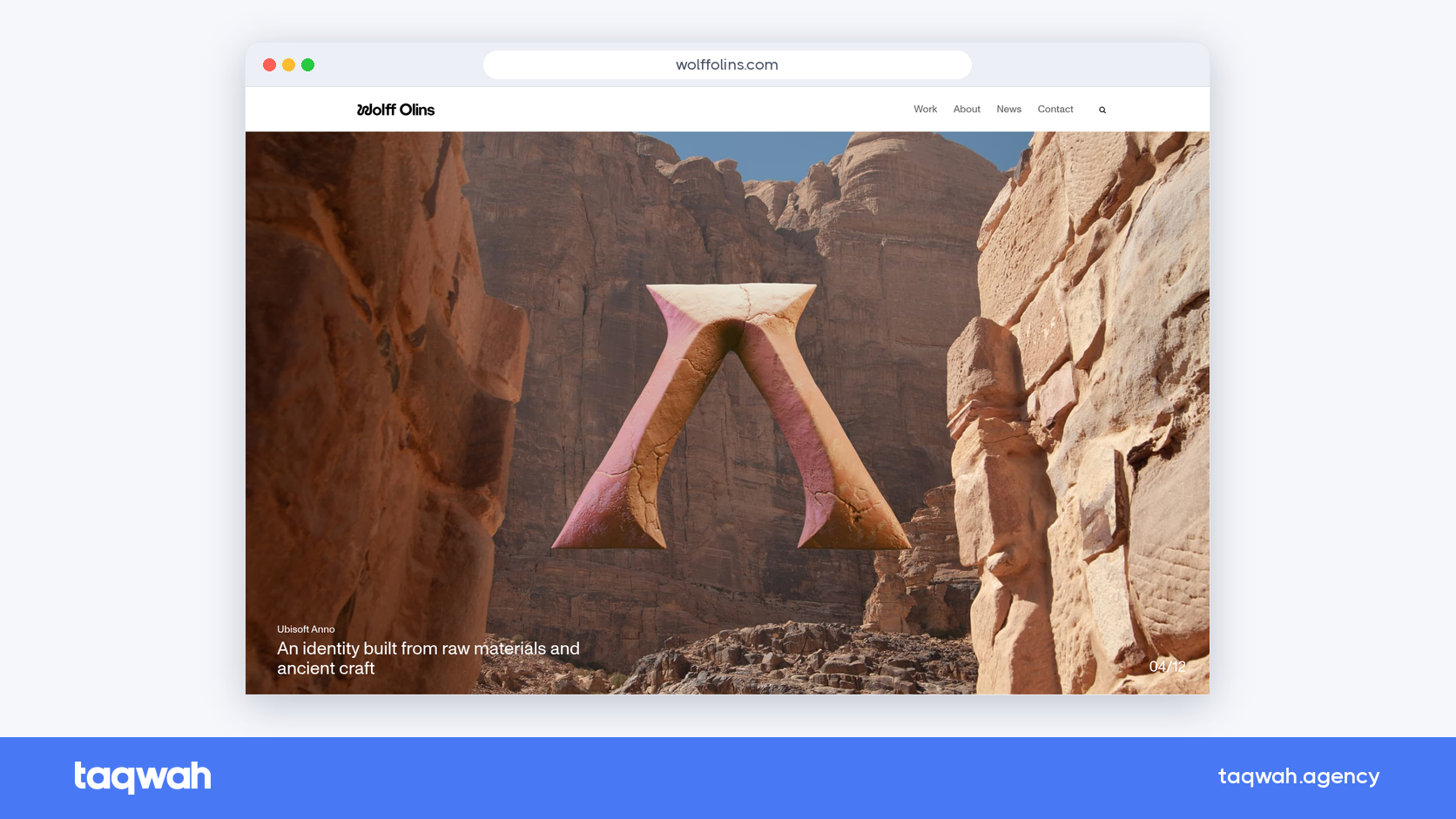
Wolff Olins is a brand consultancy known for ambitious transformation work. It has shaped identities for technology companies, financial institutions, and global organizations going through major repositioning. The agency approaches brand as a business tool rather than a visual layer, combining brand strategy with identity design.
Enterprise clients choose Wolff Olins when the challenge is bigger than a logo: a merger, a category shift, or a move from legacy software vendor to modern platform company.
4. Landor
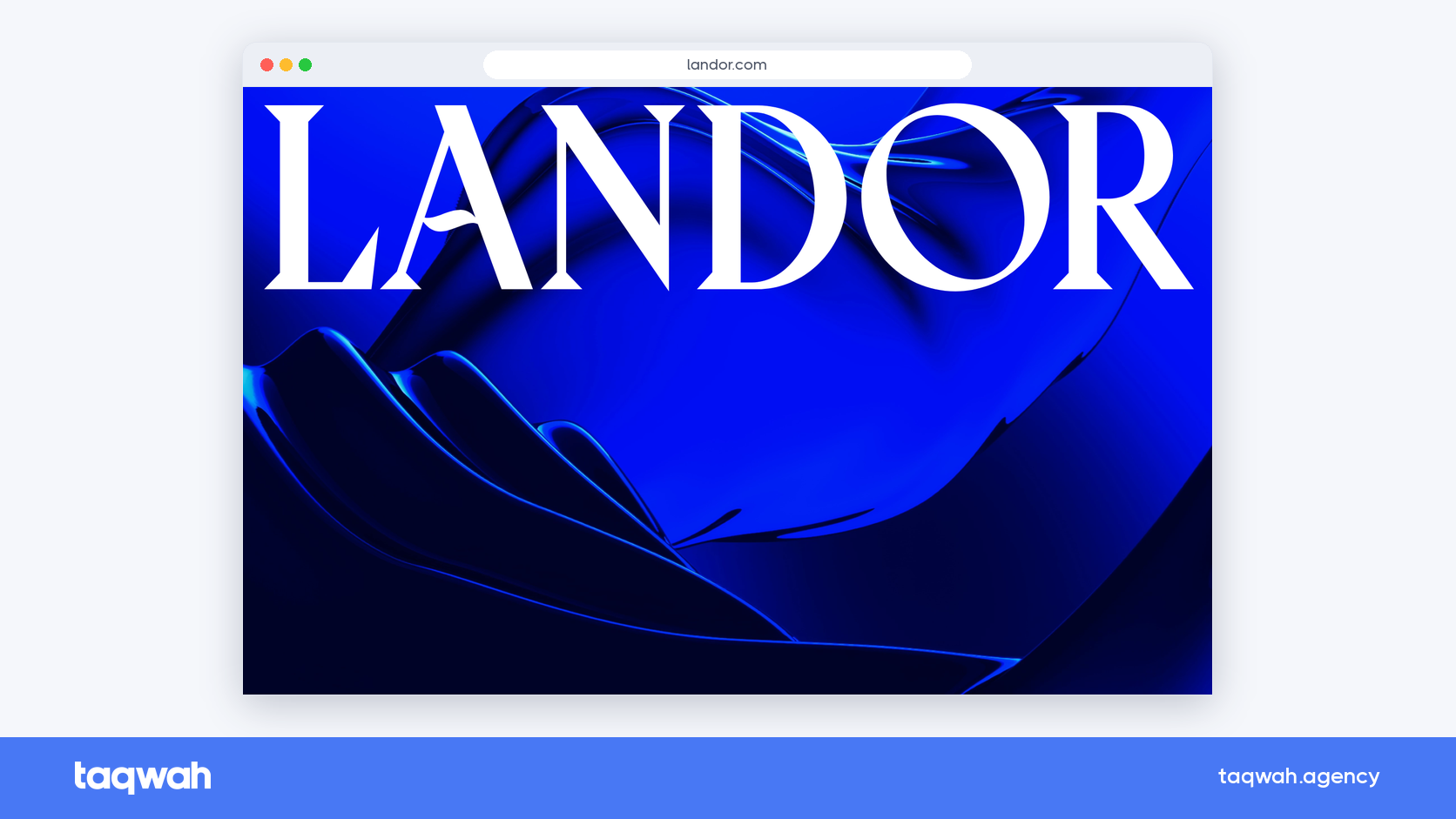
Landor is one of the oldest and most global brand consultancies, with offices across dozens of markets. Its strength is managing brand consistency for multinational enterprises with complex portfolios. Landor combines brand strategy, design, and experience work, making it a strong fit for organizations that need a single brand language across regions and product lines.
For enterprise software companies expanding internationally, Landor’s scale and process maturity are hard to match.
5. MetaDesign
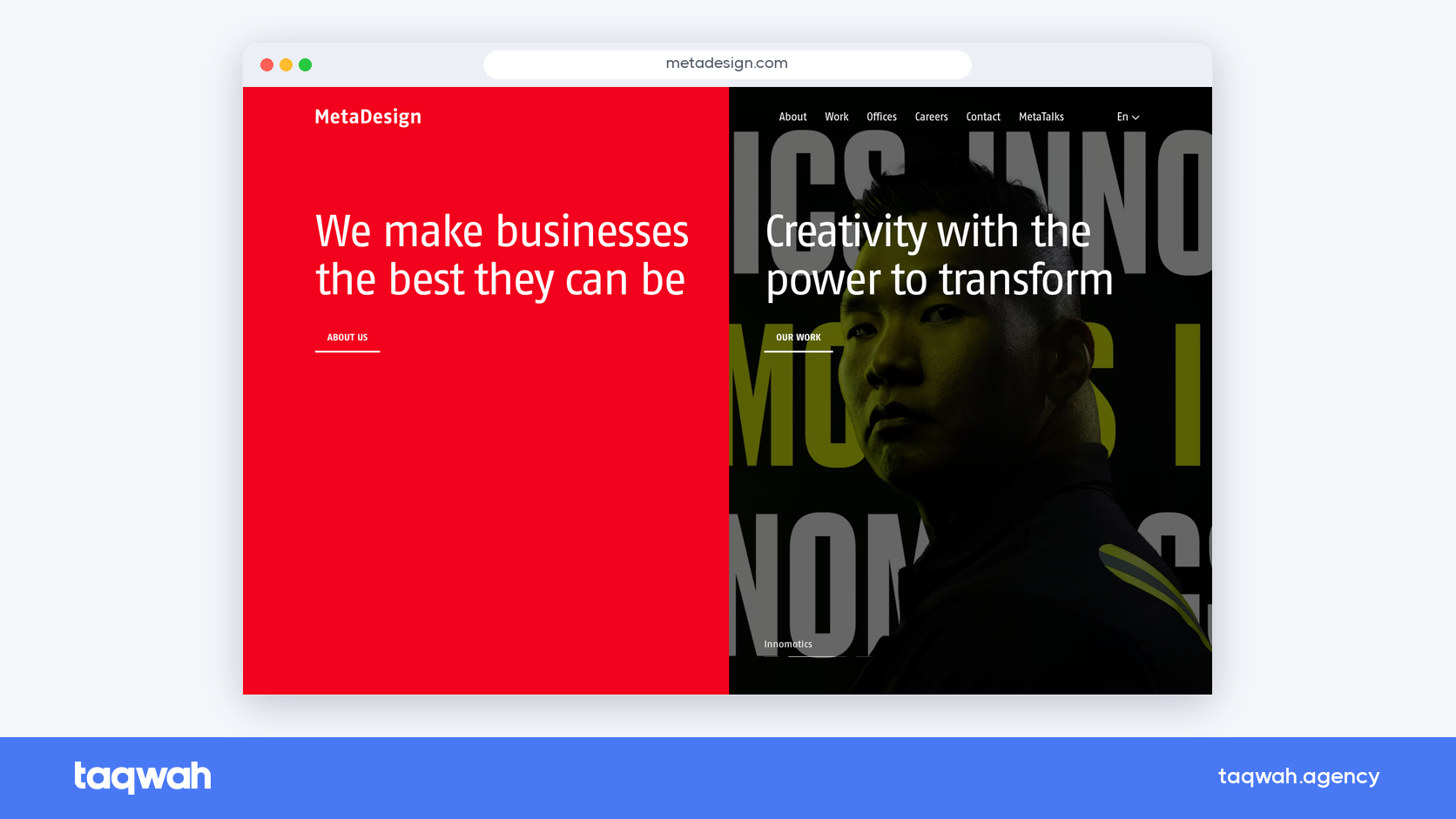
MetaDesign built its reputation on brand systems: the detailed guidelines, component libraries, and governance models that keep large brands coherent. That systems mindset translates naturally into digital product work, and the agency has helped enterprise clients align visual identity across software, documentation, and marketing.
If your organization has a strong brand but inconsistent digital products, MetaDesign is an agency worth shortlisting.
6. Frog Design
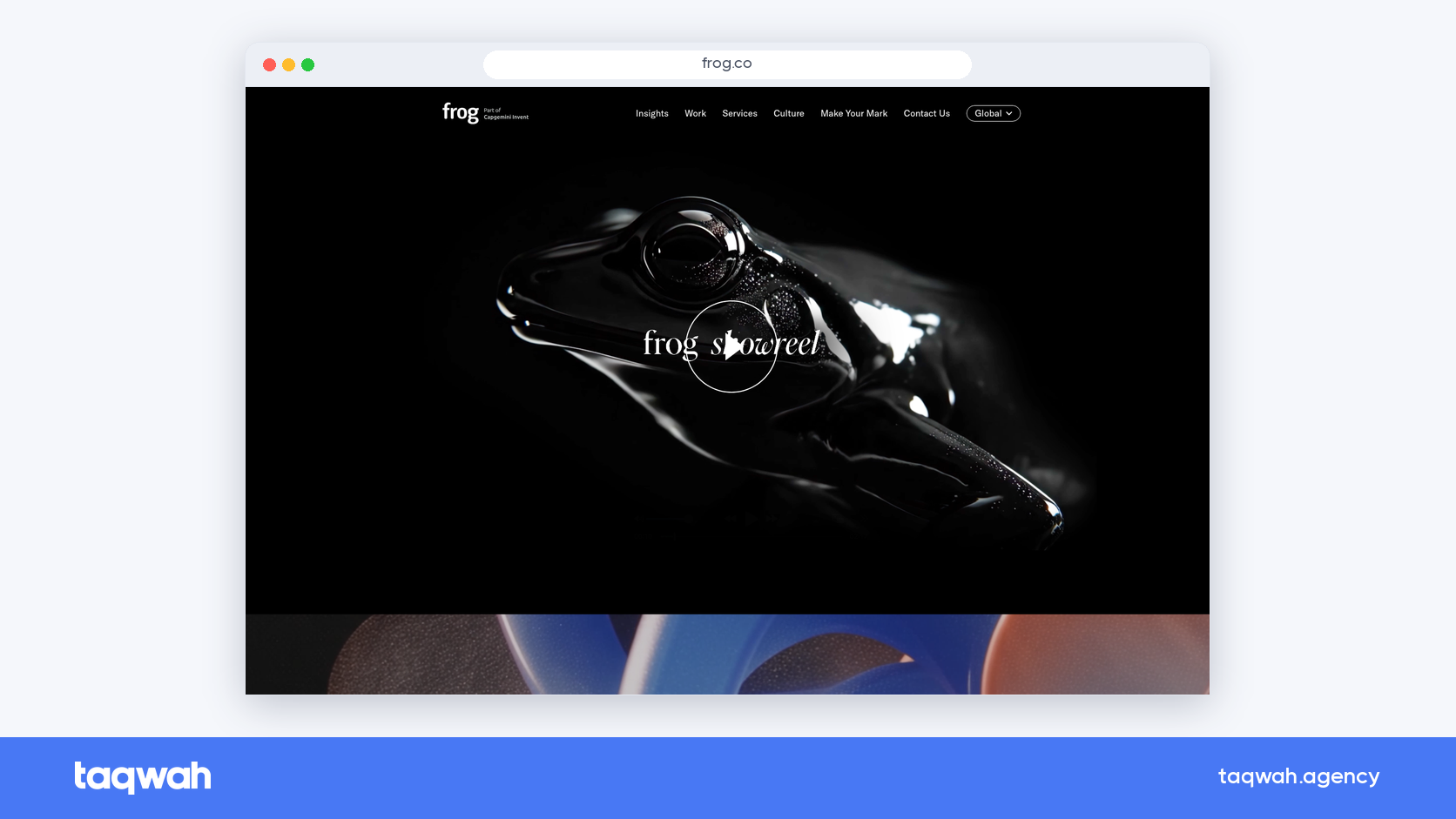
Frog Design has been shaping product and service design since the era of industrial design, and today it operates as part of Capgemini. The agency combines design strategy, UX research, and prototyping with the technical reach of a global consultancy, which suits enterprises running large digital transformation design programs.
Frog is a good fit when the project involves hardware and software together, or when service design across physical and digital touchpoints is part of the brief.
7. IDEO
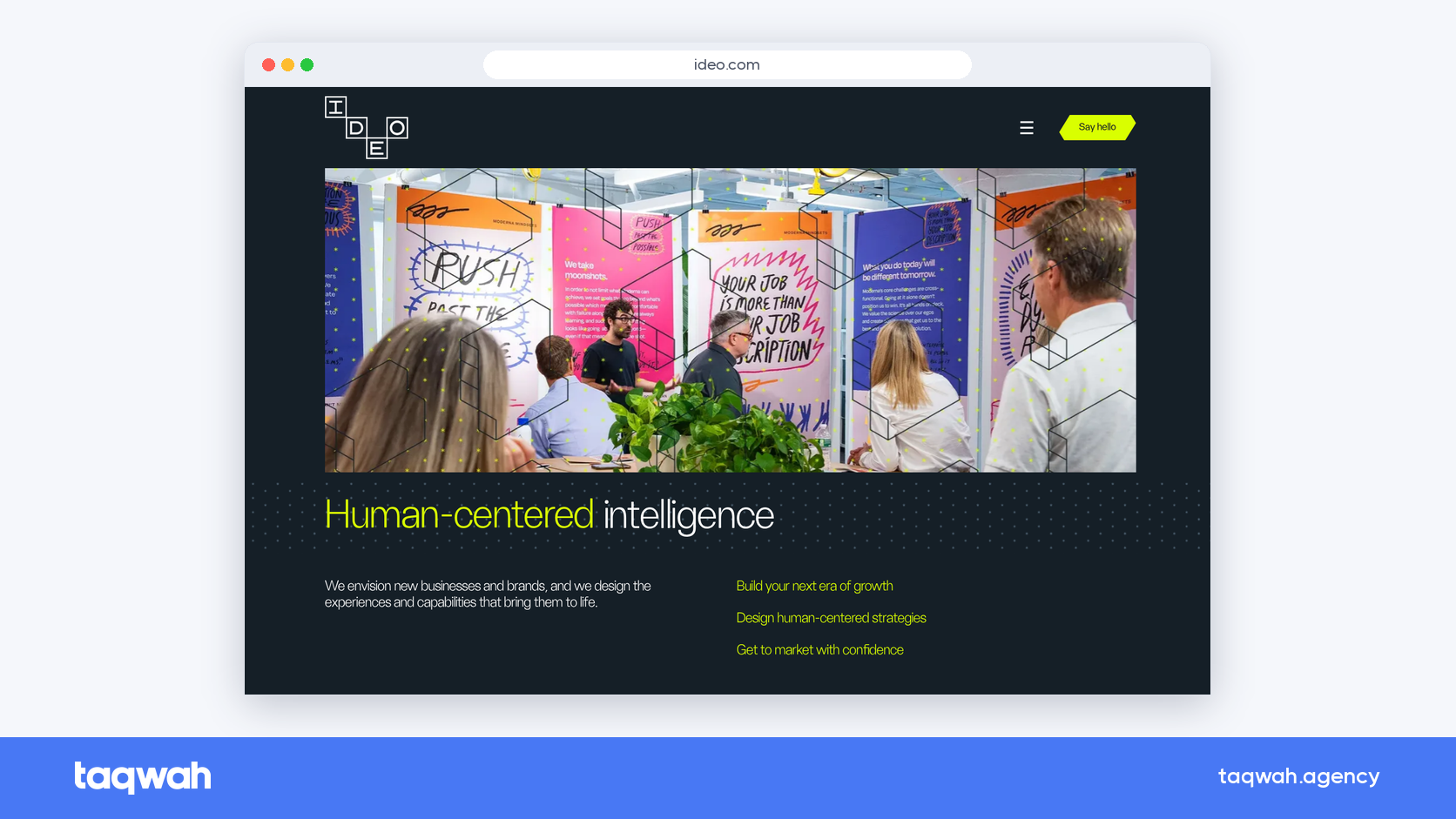
IDEO popularized design thinking and remains the reference point for human-centered innovation. Its work for enterprise clients tends to focus on research, concept development, and design thinking workshops that help organizations rethink how they serve customers and employees.
IDEO is less likely to deliver a finished design system than a specialist UX agency. Teams usually engage IDEO at the front end of a problem, then bring in a product design agency to execute.
8. Clay
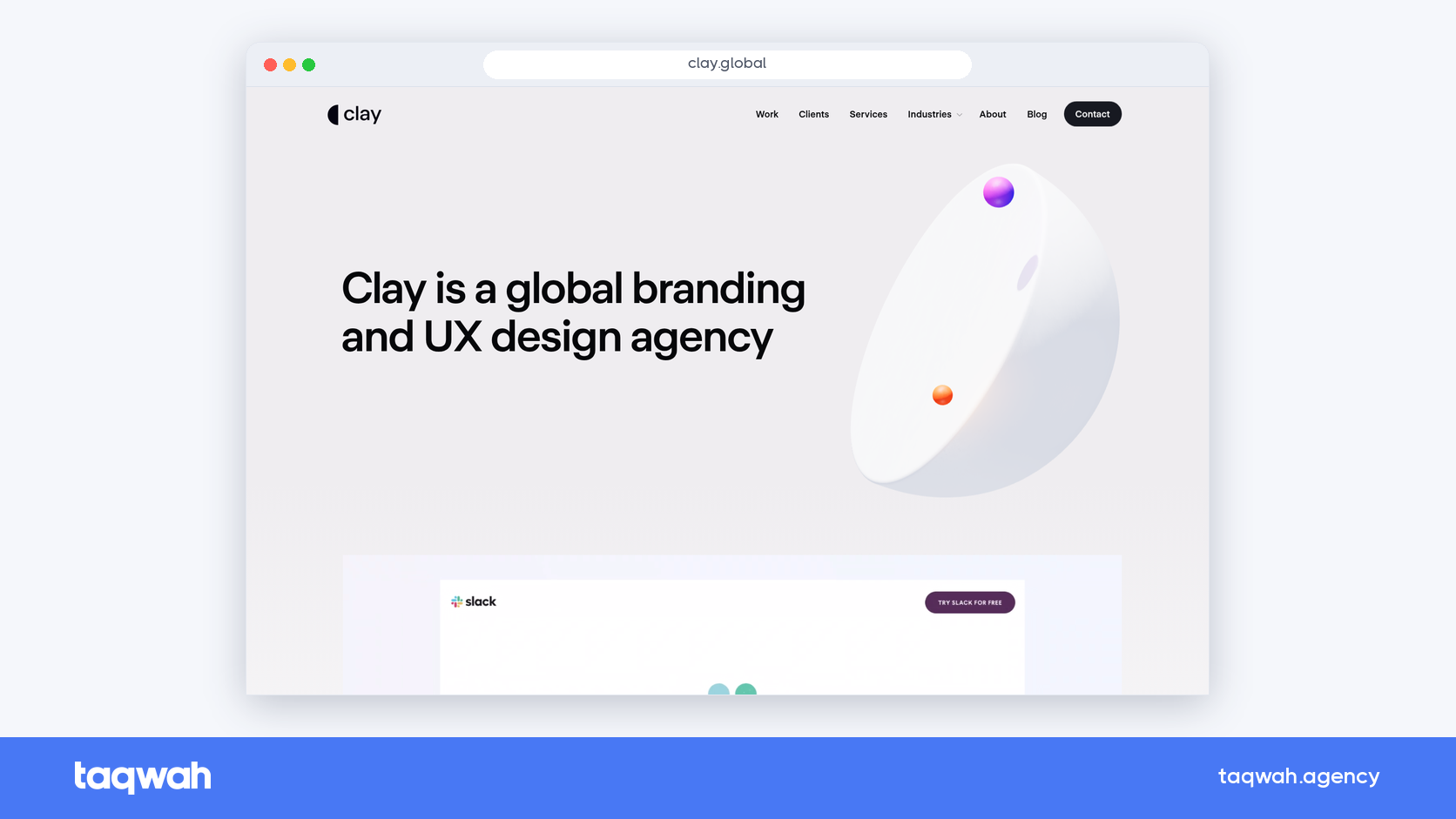
Clay is a San Francisco based UI/UX design agency that works with technology companies on both product and brand. Its portfolio spans enterprise software, consumer apps, and AI products, and it is known for polished visual execution paired with solid UX thinking.
Clay suits growth-stage companies and established tech firms that want a single team for brand identity and product interface work.
9. Neuron
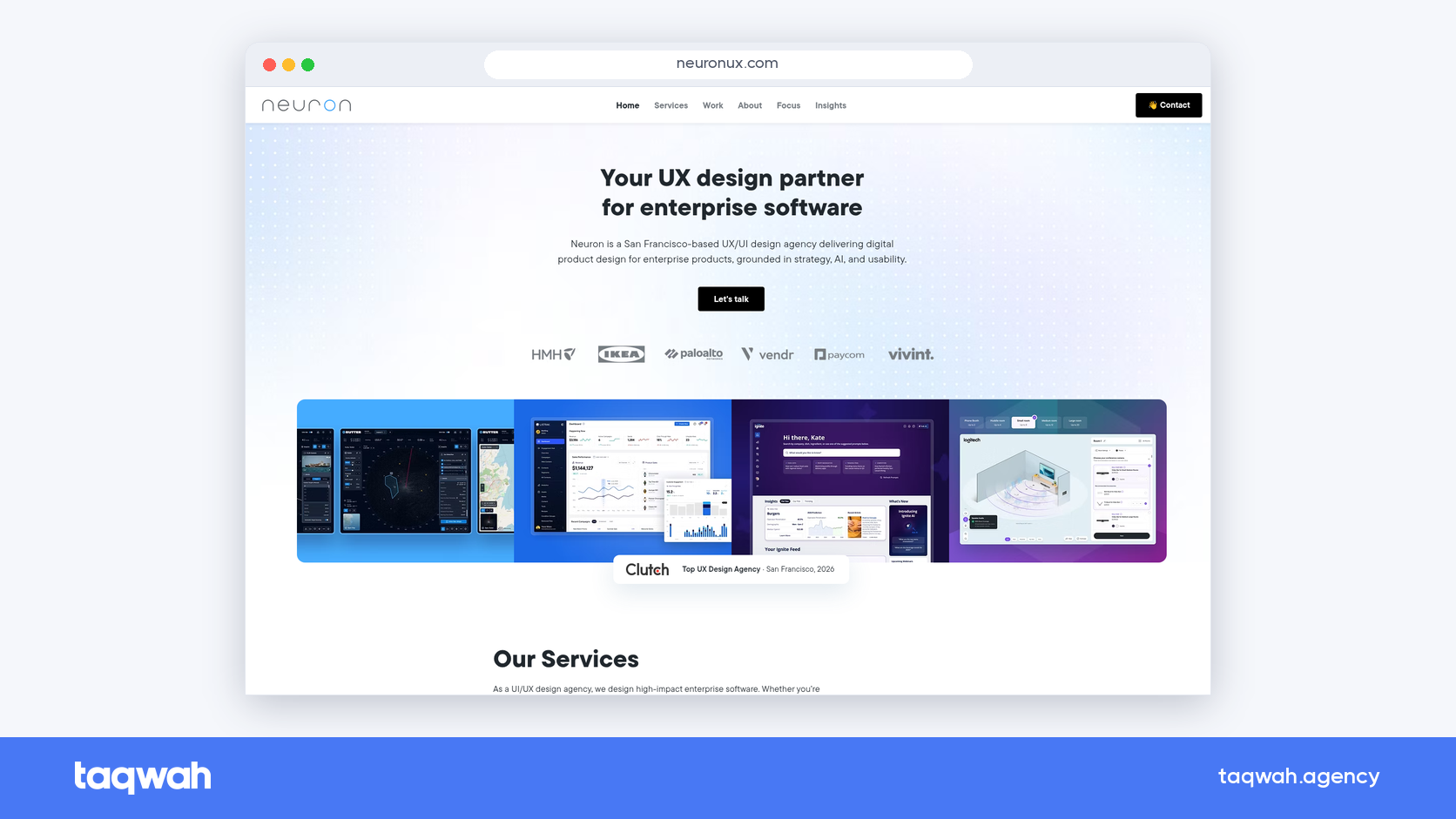
Neuron is a specialist enterprise UX design agency focused on complex software: analytics platforms, developer tools, healthcare systems, and internal enterprise applications. The agency’s process leans heavily on UX research and information architecture, which is exactly what data-heavy interfaces require.
If your product has dozens of screens, multiple user roles, and years of accumulated features, Neuron’s experience untangling complex software design is directly relevant.
10. Wavespace
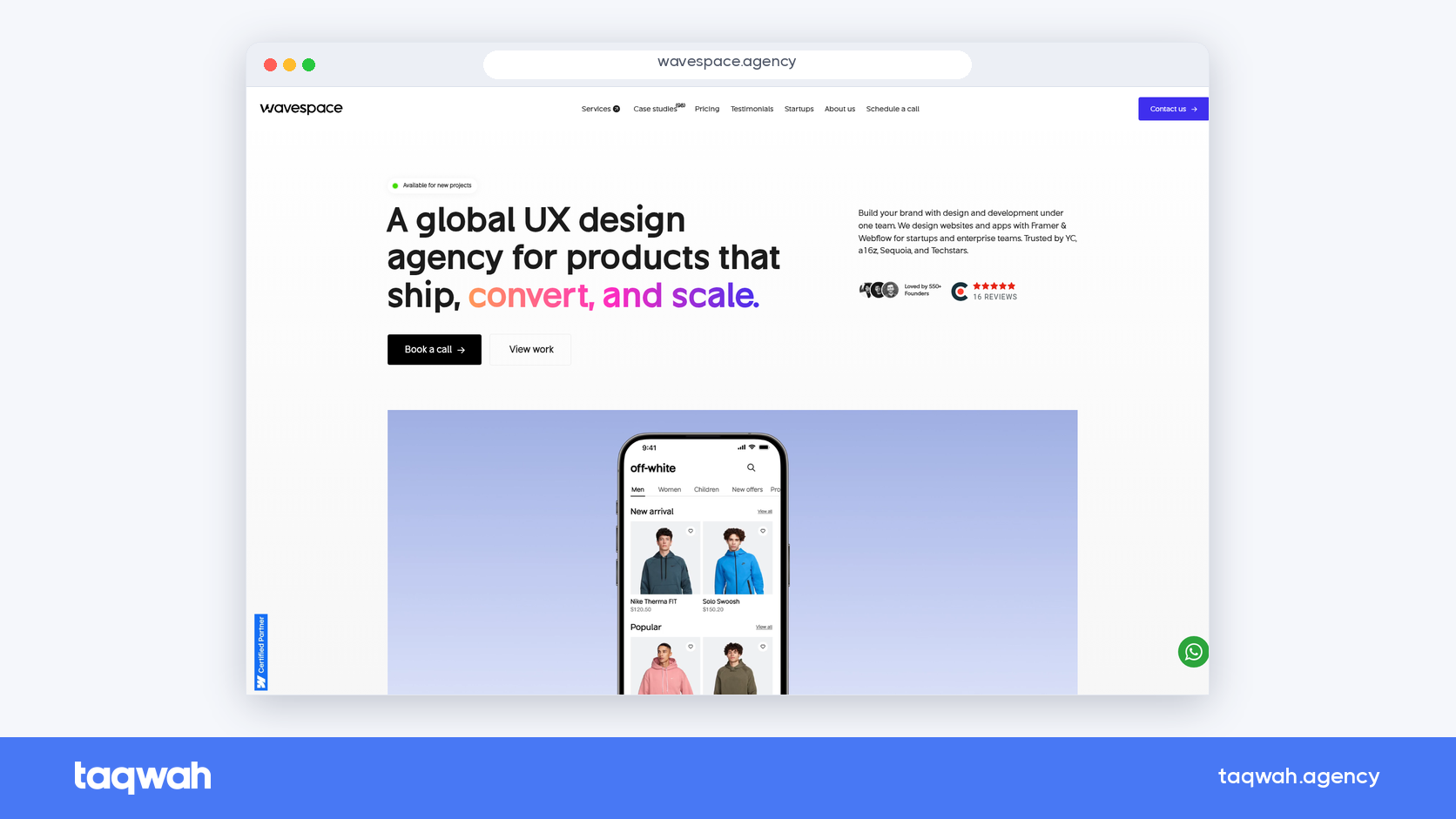
Wavespace is a product design studio with a sharp focus on AI and SaaS. It designs interfaces for AI-first products where the core challenge is making model outputs understandable and trustworthy. The agency also works on B2B SaaS platforms and offers brand identity alongside product design.
For founders and product leaders building AI tools, Wavespace brings pattern knowledge that general agencies are still developing.
How to Choose the Right Enterprise Design Partner
Identify Your Business Needs First
Before comparing agencies, be precise about the problem. Are you launching a new product, redesigning an aging platform, building a design system, or repositioning the brand? Brand consultancies like Wolff Olins and Landor solve different problems than enterprise UX specialists like Neuron. Agencies that offer design and engineering together, like the first agency on this list, make sense when you want fewer handoffs and faster shipping.
Also decide whether you need a partner for a defined project or an ongoing relationship. Many enterprise clients benefit from a retained design partner who grows with the product.
Questions to Ask Before Hiring
Ask to see enterprise case studies with measurable outcomes, not just screenshots. Ask who will actually work on your project and how much senior involvement you will get. Ask how the agency runs UX research with hard-to-reach professional users. Ask how they document design systems for handoff to engineering. And ask how they handle scope changes, because enterprise projects always have them.
Red Flags to Avoid
Be cautious of agencies that skip research, propose a redesign before understanding your users, or show only consumer portfolios when you need enterprise software UX. Watch for vague deliverables, no clear design process, and pricing that seems too low for the complexity involved. A top enterprise design agency will push back on unrealistic timelines rather than agree to everything.
Conclusion
The best enterprise design agencies in 2026 cover a wide range, from brand powerhouses like Pentagram, Wolff Olins, Landor, and MetaDesign to product-focused studios like Neuron, Clay, and Wavespace, with Frog Design and IDEO bridging strategy and innovation. The right choice depends on whether your challenge is brand, product, systems, or all three.
For SaaS, AI, and B2B teams that want design and development handled by one accountable partner, an agency that takes UI/UX design through to production code removes the most common point of failure in enterprise projects. Start with your business needs, ask the hard questions, and choose a partner whose process matches the complexity of your product.
Frequently Asked Questions
What Does Enterprise Design Mean?
Enterprise design refers to designing digital products, services, and brand systems for large organizations or for software sold to them. It emphasizes scale, complex workflows, multiple user roles, and long-term maintainability.
What Is an Example of an Enterprise Company?
Companies like Salesforce, SAP, Oracle, and Microsoft are classic examples. Any large organization with thousands of employees, complex operations, and significant software needs qualifies as an enterprise.
What Are the Types of Enterprises?
Enterprises are commonly grouped by size (small, medium, large), ownership (private, public, government), and sector (technology, finance, healthcare, manufacturing). In software, “enterprise” usually describes large organizations buying tools for many users.
What Are the Different Types of Design Agencies?
The main categories are UI/UX design agencies, product design agencies, brand identity agencies, service design consultancies, and full-service digital agencies. Many enterprise design agencies combine two or more of these.
How Much Do Enterprise Design Agencies Charge?
Costs vary widely by scope and agency reputation. Focused projects such as a UX audit or design sprint often start in the tens of thousands of dollars, while full product redesigns and brand programs at top-tier agencies can run into the hundreds of thousands or more. Most agencies price by project or monthly retainer.
What Are the Principles of Enterprise Design Thinking?
Enterprise design thinking centers on understanding users deeply through research, aligning diverse stakeholders around shared goals, prototyping early to reduce risk, designing for scale and consistency, and measuring outcomes against business metrics rather than aesthetics alone.